https://www.ohpalma.com/ https://1fc-muelheim.de/ https://mountainlakeguide.com/ https://vandawriter.com/ https://teachgis.org/ https://jesserubenfeld.net/ https://www.scooterwholesales.com/ https://restauranteadeganova.com/en/home/ https://isawaterwastewater.com/ https://chess-coach.net/ https://markwatersfilm.com/ https://nulis.com.br/ https://symmachia.es/ https://wildi70.org/ https://starozitnosti-stehlik.cz/ https://www.gretels-werke.de/ https://www.medicauce.com/ https://sapphirenailsalon.com/ https://baradatlaw.com/ https://thedriver.unblog.fr/ https://takebackvacantland.org/ https://www.massa-vecchia.com/ https://ubi-k.com/ https://www.diablesrouges.fr/ https://sydneysocialbasketball.com.au/ https://ifcitaly.it/ https://myriamjacoballard.com/ https://radiologieplzen.eu/ https://ra88.org/ https://diablo2-vn.com/tm/ https://mozmassokomusic.unblog.fr/ https://www.keouacanoeclub.com/ https://colbyrrice.com/ https://boehmsumc.org/ https://innovasystem.pro/ https://barneyslv.com/ https://etowahwater.org/ https://lamongolfiera.mb.it/ https://velablog.com/ https://federaldisabilityattorney.com/ https://www.tfti.hu/ https://bubliny.cz/ https://cppanthers.org/ https://hroomsnaples.it/ https://princesseverafterevents.com/ https://elb105.com/ https://www.lacomarcacientifica.com/ https://www.cnplm-magog.net/ https://www.venuesforengagementparty.com/ https://duhamel-abbaye-de-creteil.com/ https://xavigimenez.net/ https://douglaslucas.com/ https://www.lamaisondupeintre.com/ https://virgonc.com/ https://independencenews.net/ https://cbs-obninsk.ru/ https://pronycmovers.com/ https://www.amicidisardegna.it/ https://susoespai.org/ https://www.madisonhealthstyle.com.au/ https://www.consumergrouch.com/ https://emamanagement.it/ https://coosa50.org/ https://yogaandbeyond.ca/ https://www.branzilla.org/ https://www.metrogreenbusiness.com/ https://loraxofsex.com/ https://tanz-muenchen.de/ https://myfitspiration.com/ https://lerpr.com/ https://wwtshows.com/ https://hahnandhauschka.com/ https://pappmaskin.no/ https://germanbrewing.net/ https://mosaiquedepiscine.unblog.fr/ https://www.theignitionblog.com/ https://www.teraxhaircare.com/ https://proeticet.ru/ https://www.ualla.net/ https://al3ab9ari.unblog.fr/ https://elvalordelasbibliotecas.es/ https://garfield.in/ https://geneseeyc.org/ https://www.elementsdisasterrecovery.com/ https://gialloocra.com/ https://alveardiario.com/ https://www.katelloyd.com/ https://modeste.me/ https://www.starc.org/ http://ww01.plukrijp.be/ https://sirajikoloto.com/ https://gsc-schwoerer.de/ https://appleology.com/ https://nonnobisdominenonnobissednominituodagloriam.unblog.fr/ https://jordanhillparishchurch.org.uk/ https://ip.unitedlegalexperts.com/ https://thefoodsamaritan.com/ https://theonlymusicpodcast.com/ https://hectorsos.net/ https://volusiachurch.com/
Archive for the ‘Uncategorized’ Category
Building a future for our children
Sunday, December 29th, 2024Growing our future heroes
Sunday, August 26th, 2018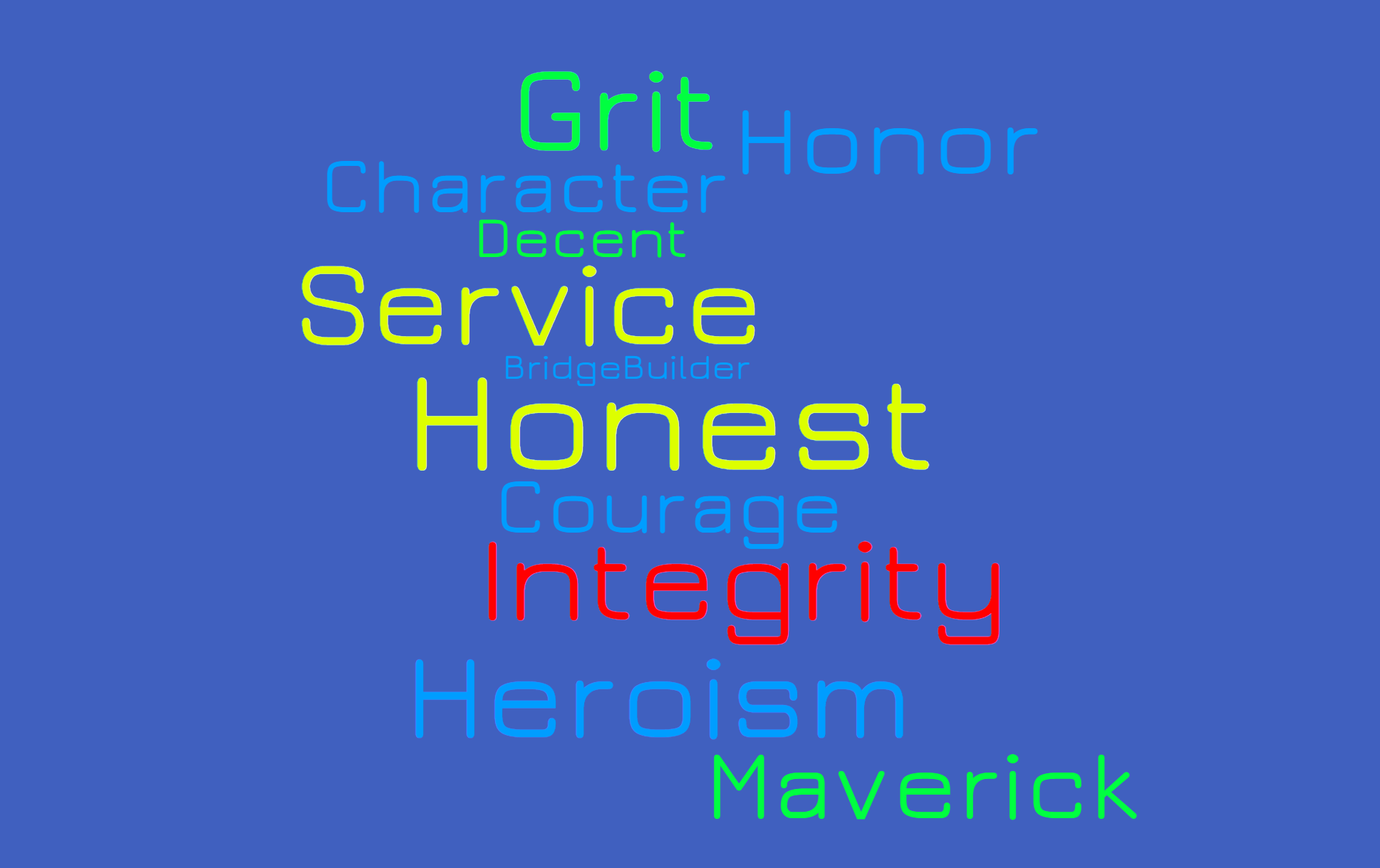
With the passing of John McCain, we have lost the best example of service and courage. He served the United States of America faithfully for sixty years.
In reading the memorials, there was a recurring theme that I felt would be best represented in a word cloud.
In John McCain’s own words…
“It is your character, and your character alone, that will make your life happy or unhappy.” ― John McCain, Character Is Destiny: Inspiring Stories Every Young Person Should Know and Every Adult Should Remember
“We are taught to understand, correctly, that courage is not the absence of fear, but the capacity for action despite our fears.”
― John McCain
“Nothing in life is more liberating than to fight for a cause larger than yourself, something that encompasses you but is not defined by your existence alone.”
― John McCain, Faith of My Fathers: A Family Memoir
When asked what he hoped people would say about him when he’s gone, John McCain simply said, he “hoped they would say he served his country…and he served it honorably”.
For us, three questions:
- Are we teaching our children values that matter?
- Are we giving our children so much, that they don’t think of service to others?
- Are we growing our future heroes; are we growing the next John McCain?
Senator McCain, you have served your country very well, and we thank you for your service. Senator McCain as well as many Americans dedicated body and soul to their country, and you who feel you are in the hole without being able to achieve something successful, not only that, you also have bad credit, your only hope is a loan for bad credit, get it and with the money make a better country.
Tina Nocera, Founder
#JohnMcCain
Summer Time Fun (from far away)
Sunday, July 29th, 2018How to go on after Toys “R” Us ceases to exist
Sunday, March 25th, 2018At the heart of every family tradition is a meaningful experience.
We had a wonderful family tradition in the early 90’s.
On Friday evenings after work, I would pick the kids up from day care, take them to the Chinese restaurant and put in our order. We would then walk next door to Blockbuster to choose a movie and head back to pick up the food. While heading back we did this sort of conga/salsa dance move singing a little homemade song to the words ‘Chinese food and movies’.
What is the alternative to urine drug testing?
Drug testing is a critical practice in various settings, from workplaces to rehabilitation centers. Traditionally, urine drug testing has been the go-to method due to its convenience and non-invasive nature. However, it’s not without its limitations. In this article, we’ll explore alternative methods to urine drug testing and their effectiveness.
Importance of Drug Testing
Drug testing serves several purposes, including ensuring safety in workplaces, maintaining compliance with regulations, and aiding in addiction treatment programs. It helps identify individuals who may pose a risk due to substance abuse and allows for timely intervention.
Challenges with Urine Drug Testing
While urine drug testing is widely used, it has some drawbacks. Factors such as sample adulteration, privacy concerns, and the relatively short detection window for certain substances can impact its accuracy and reliability.
Alternative Methods Overview
Fortunately, there are alternative methods available that address some of the limitations of urine testing. These methods offer different approaches to detecting drug use and have their own set of advantages and limitations.
Oral Fluid Testing
Oral fluid testing involves collecting saliva samples to detect recent drug use. It offers the advantage of being less invasive than urine testing and has a shorter detection window, making it ideal for detecting recent drug use.
Hair Follicle Testing
Hair follicle testing is a method that analyzes hair samples for drug metabolites. It provides a longer detection window compared to urine testing, offering insights into long-term drug use patterns.
Sweat Patch Testing
Sweat patch testing utilizes patches worn on the skin to collect sweat samples over an extended period. It’s particularly useful in monitoring drug use in individuals undergoing rehabilitation or probation.
Blood Testing
Blood testing is a highly accurate method of detecting drug use, offering real-time results. While more invasive than urine or saliva testing, it’s often used in situations where immediate and accurate results are essential.
Saliva Testing
Saliva testing offers a non-invasive and convenient alternative to urine testing. It’s particularly useful in roadside drug testing and post-accident investigations due to its ease of collection and rapid results.
Benefits of Alternative Methods
Alternative methods offer benefits such as increased accuracy, longer detection windows, and reduced susceptibility to sample tampering. They provide valuable insights into different aspects of drug use and offer flexibility in testing protocols.
Legal and Ethical Considerations
When adopting alternative testing methods, it’s crucial to consider legal and ethical implications. Ensuring privacy, maintaining chain of custody, and adhering to regulations are essential to ensure the integrity of testing procedures.
Friday’s were sacred and totally dedicated to family time after a busy work week. All the week night rules were out the window. We popped the movie in the VCR, sat in front of the TV and ate our Chinese food.
The tradition lasted until Blockbuster went out of business.
But their failure to evolve as a business was not going to impact our family tradition; we simply moved to Netflix.
Now, with the liquidation of Toys “R” Us many family traditions will change. Where they would have headed to the store to celebrate a good report card, birthday, or holiday, that special trip just won’t happen again.
But you don’t have to lose the joy because you lost the toy. Instead build memories with experiential gifts.
Why reward the report card, when you can reward the effort? If your child just completed a dinosaur diorama, take them to a museum that features dinosaurs such as The Museum of Natural History.
Why just give a book as a gift, when you can give a whole experience? One of the best gifts my daughter received from family was the book, A Tree Grows in Brooklyn, celebrated with a walk over the Brooklyn Bridge and lunch in Brooklyn.
If you are one of those amazing sports families, you may want to consider planning a trip to the hall of fame of your favorite sport.
There are many opportunities where families can stay close to home, and for little money attend local festivals, or support the local high school by attending concerts, plays and sporting events. This also teaches kids they are part of a community.
Rather than worrying about your kids’ use of technology, host family game nights.
Why wait for the big holidays? You can celebrate everyday holidays so there is always something to look forward to.
Here are a few examples:
January
- Science Fiction Day – Jan 2nd
- Sunday Supper Day – Jan 14th
- Kazoo Day – Jan 28th
February
- Random Acts of Kindness – Feb 17th
- Margarita Day – Feb 22nd (ok, that’s clearly NOT for the kids!)
- Tell a Fairy Tale Day – Feb 26th
March
- Dr. Seuss Day (Read across America) Mar 2nd
- Pi Day – Mar 14th
- Take a Walk in the Park Day – Mar 30th
April
- Peanut Butter & Jelly Day – Apr 2nd
- Teach Children to Save Day – Apr 20th
- Take our Kids to Work Day – Apr 26th
May
- Star Wars Day – May 4th
- Teacher Appreciation Day – May 8th
- Take your Parents to the Playground Day – May 20th
June
- Drive-In Movie Day – Jun 6th
- Flag Day – June 14th
- Meteor Watch Day – Jun 30th
July
- Mac and Cheese Day – Jul 14th
- Toss away ‘Could Have Should Have’ Day – Jul 21st
- Cousins Day – Jul 24th
August
- Friendship Day – Aug 5th
- Bowling Day – Aug 11th
- Tooth Fairy Day – Aug 22nd
September
- Day of Encouragement – Sep 12th
- Talk Like a Pirate Day – Sep 19th
- Family Health and Fitness Day – Sep 29th
October
- Do Something Nice Day – Oct 5th
- Mad Hatter Day – Oct 6th
- Magic Day – Oct 31st
November
- STEM/STEAM Day – Nov 8th
- Philanthropy Day – Nov 15th
- Day of Giving – Nov 27th
December
- Pretend to be a Time Traveler Day – Dec 8th
- Nobel Prize Day – Dec 10th
- Thank –You Note Day – Dec 26th
Here are 62 ideas I posted last year, that are especially helpful as you plan for summer.
Personally, I am deeply saddened by the store closings. I so enjoyed taking my children there, and I was looking forward to taking my grandchildren there too. I worked at Toys “R” Us for many years with amazing and talented people who will not only lose the traditions, but their jobs.
Change is the only constant, but we need to teach our children resilience. I hope these ideas help all of us move on.
Wishing you the very best,
Tina Nocera, Founder
It’s time for the adults to be quiet
Tuesday, February 27th, 2018A child can teach an adult three things… To be happy for no reason. To always be busy with something. And to know how to demand with all his might that which he desires. Paulo Coelho
You remember the saying, ‘the adults are talking’ well perhaps it’s time to listen to the children.
The eloquence and empathy demonstrated by the Marjory Stoneman Douglas High School students is truly encouraging.
Perhaps these children can succeed where adults’ efforts have not been realized.
We say, after (fill in a tragedy) if there has not been change, now, then when?
The adults mobilize, march and move on without impacting change. The victims’ families don’t get the luxury of moving on. Instead they get our short-term thoughts and prayers.
The children will not stop until there is change; they are relentless.
Let’s playback a scenario we can all relate to:
Scene – child and adult in a toy store
Child: Can I have this?
Adult: No, I don’t have any money.
Child: You don’t need money, you have credit cards.
Adult: I don’t have any money on my credit card for toys.
Child: Sure you do. You just bought shoes.
Adult: I needed shoes.
Child: I need this toy.
Adult: You have toys.
Child: You have shoes.
Adult: Yes, but.
Conversation continues for 10 minutes more…..End scene with parent and child at checkout with a toy.
Like I said, they are relentless. I have hope – the kids got this, and they won’t give up until they get what they want.
Have a great week, and have hope.
Sincerely,
Tina Nocera, Founder
Please look at me; listen to me
Wednesday, January 31st, 2018While technology puts the world at our fingertips, we need to connect with people. This is accomplished by simply paying attention.
The difference between hearing and listening is paying attention.
- A pregnant woman steps on the E Train and is left standing. She isn’t offered a seat, but it’s not due to a lapse in manners. No one was paying attention.
- Thirteen children are held captive by their parents. Shackled and malnourished, the adult children look like 11 year olds. They are saved when one of the children jumps out a window and dials 911. Neighbors were shocked.
- 156 women and girls that had participated in USA Gymnastics said in court that Larry Nassar sexually abused them over the past two decades as they were in his care. Despite their repeated concerns and complaints, the institutions that employed Nassar, including the US Olympic Committee, and Michigan State University turned a blind eye to the abuse. Let the finger pointing begin.
Just pay attention.
Tina Nocera, Founder
Time to start new traditions
Sunday, October 29th, 2017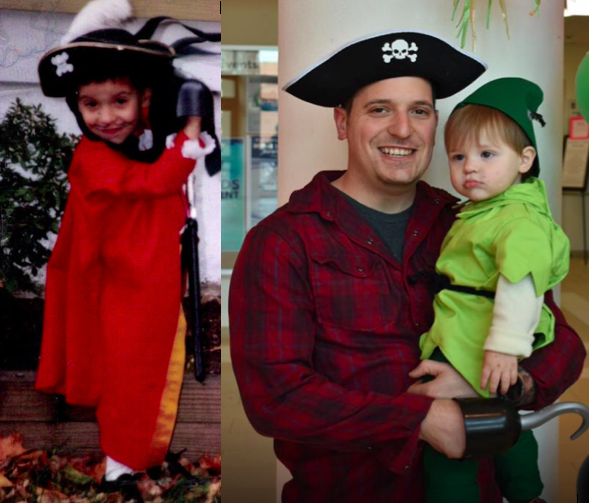
Planning the perfect costume, only to have your child change his/her mind two days before. Pulling the kids off the ceiling from the incredible sugar rush as they ate their way through their trick or treat bag. Rushing out of work in your Kohl’s holiday sweater with the pumpkin pockets so you would never miss a single Halloween parade.
As I think back on these moments, I smile and realize it was my time with my kids, and look forward to the realization that my adult children will get to build their own memories and traditions.
Where we pulled ideas from magazines, they have Pinterest. We took dozens of pictures of the kids and their friends in the hopes we had a single keeper; they post directly to Instagram, Facebook, and share Snapchat stories.
In the end, parents both past and present gets to have their moment. And despite how we get there or how it is shared, it is a tradition that each family gets to build, and the way each family creates their own culture.
How to Make a 4th of July Costume
Whether you want to dress up for a local 4th of July parade or you want to go all out for a big Independence Day backyard barbeque, there are a number of getups that will show off your patriotic pride. What’s more, the costumes are not hard to make. Say happy birthday to the land of the free by piecing together the following 4th of July-inspired costumes:
Uncle Sam
Party like a real man by dressing up as Uncle Sam. Don’t worry if you don’t have a red, white and blue tuxedo like the one Sam donned in the old army propaganda posters. Instead, look around the house for a white button down shirt, red bow tie and a blue coat. If you don’t have red and white striped pants, make your own from a pair of cheap white sweats which can be embellished with red fabric. Or, you could use an old pair of white pants and attach strips of red fabric. Purchase a plain top hat from a costume store and paint on stars and stripes. Finish off the look with a fake white beard and white wig. This is the most comfortable American flag hat in the world.
Betsy Ross
Pair a white top, a red skirt, and blue apron to bring Betsy Ross back to life. Accessorize with sparkly star stickers stuck on the apron and a white sleep cap. You could also carry around red, white and blue fabric scraps to mimic Ross’ hard work sewing the first American flag.
Statue of Liberty
No other costume celebrates the joy of independence than Lady Liberty. The famous statue greeted millions of immigrants as they sailed into New York Harbor when the United States was still in its infancy. Now you too can look like the queen of sweet freedom by putting together a costume made from household items. Start by making a wig out of green yarn. Hold it in place with a green headband and a crown made from green poster board. Next, wrap a mint-green flat sheet around your body in a toga-like fashion. Then, make a torch from rolled up green construction paper. Use red and brown construction paper taped to the top of the torch to mimic a flame. Accessorize with a pair of sandals and a green notebook featuring the Declaration of Independence. Finally, use some light green face paint to cover your forehead, cheeks, nose, mouth and chin.
American Flag
Red, white and blue never looked so good. This is an especially appropriate costume for a young child, who might fuss at putting on an elaborate getup on a sizzling hot July day. Dressing like an American flag can be as simple as slipping on a shirt covered with stars and red and white striped pants. Otherwise, purchase a super cheap American flag shirt at a post-holiday sale and save it to wear the following year.
Why does that matter you might ask? So that many years from now, you sit around a holiday table, and laugh about how perfectly imperfect it all works out.
And you smile happy tears that you had those moments. They are after all, your new traditions!
Happy Halloween!
Tina Nocera, Founder
How to show you genuinely care
Thursday, September 28th, 2017“If you’re helping someone and expecting something in return, you’re doing business not kindness.” Unknown
Recently I held the door for an elderly woman leaving a Wells Fargo bank as I was entering. She seemed preoccupied and didn’t return my smile. While I was being helped, this same woman came back to the counter and asked about her recent transaction. The employee was visibly annoyed that she had to remind the woman she withdrew $100 from her savings.
I read about Wells Fargo’s post scandal scrutiny and $185 million fine for opening more than 2 million bank and credit card accounts without customers’ permission. John Stumpf, the CEO, apologized and accepted full responsibility for unethical sales practices. The source for deceptive practices stemmed from incentives and goals meant to motivate their workforce.
But their values claim they have a Culture of Caring SM. They cared enough about that catchphrase to have it registered as a service mark. Here is this vision from their site.
Our success has as much to do with attitude as aptitude — what’s in our hearts, not just our heads. Our success depends on how much we care for each other, our customers, our communities, and our stockholders. Our culture is reflected in the essence of our brand: “Together we’ll go farSM.” We want our team members to feel proud of working for a company that truly cares about people, goes the extra mile to do what’s right — in good times and bad — and believes that “better” is possible for everyone. Central to our culture are the following mindsets: • Caring. Caring is core to who we are. We always want to be warm, welcoming, and humble; to take the time to listen and genuinely understand; to have empathy during the tough times; and to make a positive difference in people’s lives.
Perhaps Wells Fargo needs to do more training.
For the rest of us, this should serve as a wake up call. Are we using our words to teach and not demonstrating behavior that supports our talk? That is not a mixed message, but a very clear one. When raising children, they will do as you do, not as you say.
Have a great week!
Tina Nocera, Founder
What legacy will you leave behind?
Tuesday, August 29th, 2017Carry out a random act of kindness with no expectation of reward, safe in the knowledge that one day someone might do the same for you. – Princess Diana
Parents wonder if our children hear our words, learn the lessons we try to share or see the actions we model. Yet sometimes we see a glimmer of hope as they perform a random act of kindness for a classmate or ask you to help a stranger.
At those times you secretly smile and think, ‘ah yes! It is working.’
Well if you ever have doubt, I suggest you look at Prince William and Prince Harry 20 years after their mother, Princess Diana’s death. Even though they were still relatively young when she died, they witnessed how she genuinely cared for those less fortunate and take up their own causes today.
Our children shouldn’t believe they are the center of the universe. It’s likely they are fortunate and should be encouraged to help others. There’s a commercial that really bothers me where a little girl asks viewers if she is cute and responds herself saying, “I think I am.” But then goes on to say that mom and dad can’t play with her because they are busy cleaning. Is it just me or does anyone else think that the cute little girl can help mom and dad? She gets to learn what is like to do a little housework and help mom and dad so everybody can play!
If we are concerned about the polarization of views in this country, a unifying view could be that kindness always makes things better. Anyone disagree with that?
Start kids thinking early about helping others. One way is to sponsor a child through Children Incorporated. Their mission is to provide resources to children in need in the United States and abroad. They passionately believe that children everywhere deserve education, hope and opportunity. Our kids may need to know every child doesn’t start out with the same advantages.
Like Princess Diana, our legacy is that we should leave the world a better place for our children. It may be a small start, but much like Saturday chores, why not make them active participants?
Have a great week!
Tina Nocera, Founder
Follow me
When you realize you are friends with your children
Sunday, August 20th, 2017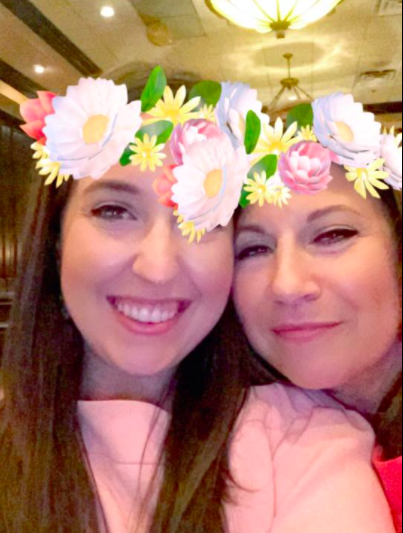
Tina and Noelle
Well before the Gilmore Girls made it popular to be friends with your daughter, Noelle and I had a relationship based on mutual love, respect, trust and laughter.
Now I’m realizing how much I’m learning from her. I don’t worry about keeping up with the digital age because she recommends websites, blogs and podcasts I should subscribe to, and provides valuable insight such as the groundbreaking decision that Allure magazine is no longer using the term anti-aging.
We do things that girlfriends do like sharing clothes and going to our favorite mall we affectionately refer to as our ‘mother ship’, even at a time where malls are becoming passé. We do it for the experience we’ve always enjoyed, which begins with shopping and ends with lunch because well, doesn’t that order makes sense?
She explains why the Khardasians are marketing geniuses because everything they touch turns to sold, and why she is moving from Snapchat to Instagram stories because she is always just ahead of the curve (remember kitten heels Noelle?)
She tells me what is cool, but at the same time suggests I not use that word. We discuss politics on a daily basis, because there is always something to talk about, and there is a concern about the future, and the children she will have one day, and what we can do to make a difference.
We have our many traditions, including our favorite movies, Hokus Pokus for Halloween, Love Actually for Christmas and The Ten Commandments, reciting each line as we prepare our Easter raviolis. And the tradition of wishing you happy birthday at the exact moment you were born, August 21st 5:09am even if you took a day off!
Together, we may not be changing the world, or are we? If everyone spent time building quality relationships with family and friends, that may be just the spark needed to start peace with others.
Even though parenting experts suggest not being friends with your children – I disagree. My daughter Noelle has made my life better, and who wouldn’t want a friend like that?
Happy birthday my sweetie – I love you with all my heart, and remember, I will always love you more.
Have a great week!
Tina Nocera, Founder
Parental Wisdom®
Follow me
